Difference between revisions of "1872"
| Line 1: | Line 1: | ||
| + | |||
| + | Dada: | ||
| + | |||
| + | I grew up under Trymbakeshvar's large skies. The Brahmagiri hills looked like they had been carelessly painted across that sky by a confident paint brush that had paused as it finished, and pleased by the undulating hills it had made, relaxed into a contented murmur. | ||
| + | |||
[[Image: Cfa voysey-1930-nursery design.jpg]] | [[Image: Cfa voysey-1930-nursery design.jpg]] | ||
| − | (The studio passes by a large tree, the children rush to the window, | + | (The studio passes by a large tree, the children rush to the window, a crow has made a nest of thatch, pink mouths are straining out of the nest, noisy in their call for food. A squirrel is carrying its bushy train of a tail from branch to branch. A bird squeaks a structured note in three pieces, repeatedly. The studio passes by the heart of the large tree and suddenly, before them, is the open sky and the evocative line of the Brahmagiri hills. ) |
| − | |||
| − | + | And then, in response to that master paintbrush, people from our town, made a temple steeple. When the clouds weep over the mountains now, the rain deepens the black stone of the steeple and it stands out, a man made mountain in a godly place. | |
| Line 20: | Line 24: | ||
Fear made bravehearts out of them. They uprooted the mountain, Meru, put it on top of a tortoise and wrapped the giant snake Vasuki around it. The devas gathered on one side of the mountain, the asuras on the other, and like a tug of war on the largest scale you can imagine, they churned the ocean. | Fear made bravehearts out of them. They uprooted the mountain, Meru, put it on top of a tortoise and wrapped the giant snake Vasuki around it. The devas gathered on one side of the mountain, the asuras on the other, and like a tug of war on the largest scale you can imagine, they churned the ocean. | ||
| − | The skies were full of the gems that the churning threw up. A white horse with wings, Kamadhenu, the cow | + | The skies were full of the gems that the churning threw up. A white horse with wings, Kamadhenu, the cow whose dark eyes have the containing silence of the smoothest riverbed pebbles. An onlooker would have been dazzled by these new stars. But no one else was looking, and those who were churning, had no use of leisure, they only wanted the amruta. |
They wanted to drive death, push him away from their playgrounds, so they could play and fight amongst themselves forever. | They wanted to drive death, push him away from their playgrounds, so they could play and fight amongst themselves forever. | ||
In the machinations, the fights, the interventions that were made to distribute the Amruta when it finally appeared, a few drops fell to the earth. Trymbakeshwar was one of those places where a drop of the nectar of the gods did its alchemy on the soil. | In the machinations, the fights, the interventions that were made to distribute the Amruta when it finally appeared, a few drops fell to the earth. Trymbakeshwar was one of those places where a drop of the nectar of the gods did its alchemy on the soil. | ||
------- | ------- | ||
| − | |||
In a time when there was no plough, how did the rishi Gautam have a green field? He flung seeds here and there on the ground like everyone else, and still when his crop came up, it somehow gathered together like a well written sentence, or a well enacted scene, and made a beautiful field. | In a time when there was no plough, how did the rishi Gautam have a green field? He flung seeds here and there on the ground like everyone else, and still when his crop came up, it somehow gathered together like a well written sentence, or a well enacted scene, and made a beautiful field. | ||
This got Gautam a lot of respect on earth, and it got him the jealously of the gods. | This got Gautam a lot of respect on earth, and it got him the jealously of the gods. | ||
| Line 32: | Line 35: | ||
People often pray and work hard to destroy things, you know.. | People often pray and work hard to destroy things, you know.. | ||
| − | Sarasvati stares at her children, all with a black mark at the edges of their forheads to drive away the evil eye, all secured with a holy amulet tied to a black thread, around their stomachs. | + | (Sarasvati stares at her children, all with a black mark at the edges of their forheads to drive away the evil eye, all secured with a holy amulet tied to a black thread, around their stomachs.) |
The elephant god disguised himself as a cow and entered Gautam's field. | The elephant god disguised himself as a cow and entered Gautam's field. | ||
| Line 47: | Line 50: | ||
Dada: | Dada: | ||
| − | |||
Shiva knew his bhakta had to first bathe in the Ganga to do penance. Feeling tender towards the already weakened Gautam, he asked Ganga to help him. | Shiva knew his bhakta had to first bathe in the Ganga to do penance. Feeling tender towards the already weakened Gautam, he asked Ganga to help him. | ||
| Line 62: | Line 64: | ||
--------------------------- | --------------------------- | ||
| + | At the English club, the young 'probationers' were asked to give performances. The older ladies in the cantonement always sat through the performace, fanning themselves, as native bearers carried lemonade and other drinks around. The officers would often come in from the lawns for the post dinner piece and cheer on the 'young uns' | ||
| + | |||
| + | Unexpected bunch | ||
| + | A turbanned Mr. Punch | ||
| + | smoking a hubble bubble | ||
| + | around him (en) deshabille | ||
| + | Many dusky Indian filles | ||
| + | Asking our man for trouble | ||
| + | |||
| + | The delicate rabbits | ||
| + | Of Englishmen's habits | ||
| + | demanded a par-ti-cu-lar humour | ||
| + | Besides the impunity | ||
| + | Of the '57 mutiny | ||
| + | was giving our boys there a tumour | ||
| + | |||
| + | A shared snark at the darkies | ||
| + | Togged up in our khakis | ||
| + | was taking the whiskies down better | ||
| + | some Mookerjee writing | ||
| + | in english!! o blighting! | ||
| + | Can he make out a Roman letter? | ||
| + | |||
| + | ------------------- | ||
| + | |||
| + | |||
| + | |||
| + | |||
| + | |||
| + | |||
| + | |||
The Indian Charivari appears. "The turbanned Mr. Punch of Calcutta smokes a hubble-bubble while being entertained by dusky maidens in scant clothing. The cover includes baby Punch being fed pale ale by an Indian nanny... | The Indian Charivari appears. "The turbanned Mr. Punch of Calcutta smokes a hubble-bubble while being entertained by dusky maidens in scant clothing. The cover includes baby Punch being fed pale ale by an Indian nanny... | ||
Since wood engravers were in short supply the magazine had restored to lithography" | Since wood engravers were in short supply the magazine had restored to lithography" | ||
| Line 75: | Line 108: | ||
The educated Indian the butt of racist jokes now. | The educated Indian the butt of racist jokes now. | ||
| − | |||
| − | |||
| − | |||
Revision as of 00:03, 10 July 2009
Dada:
I grew up under Trymbakeshvar's large skies. The Brahmagiri hills looked like they had been carelessly painted across that sky by a confident paint brush that had paused as it finished, and pleased by the undulating hills it had made, relaxed into a contented murmur.
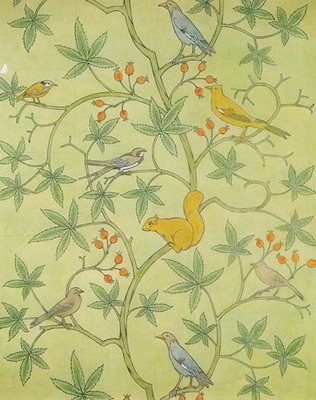

(The studio passes by a large tree, the children rush to the window, a crow has made a nest of thatch, pink mouths are straining out of the nest, noisy in their call for food. A squirrel is carrying its bushy train of a tail from branch to branch. A bird squeaks a structured note in three pieces, repeatedly. The studio passes by the heart of the large tree and suddenly, before them, is the open sky and the evocative line of the Brahmagiri hills. )
And then, in response to that master paintbrush, people from our town, made a temple steeple. When the clouds weep over the mountains now, the rain deepens the black stone of the steeple and it stands out, a man made mountain in a godly place.
Dada:
Only some places retain a charge that you experience when you walk the land. Trymbakeshvar is one of those places, that has an electricity about it, a possibility that here, you might be able to walk, further into your own consciousness.
In the ages that preceded all ages, in a time that was before all times, that was not a point, but beyond the point, always beyond every point.. the gods and the demons were children in that time, and always engaged in competitive fights, that we call their battles. They had encountered the frightening spectre of death while at play. They wanted to defeat him. But for that they needed Amruta, the nectar which would give them immortality.
Fear made bravehearts out of them. They uprooted the mountain, Meru, put it on top of a tortoise and wrapped the giant snake Vasuki around it. The devas gathered on one side of the mountain, the asuras on the other, and like a tug of war on the largest scale you can imagine, they churned the ocean.
The skies were full of the gems that the churning threw up. A white horse with wings, Kamadhenu, the cow whose dark eyes have the containing silence of the smoothest riverbed pebbles. An onlooker would have been dazzled by these new stars. But no one else was looking, and those who were churning, had no use of leisure, they only wanted the amruta.
They wanted to drive death, push him away from their playgrounds, so they could play and fight amongst themselves forever. In the machinations, the fights, the interventions that were made to distribute the Amruta when it finally appeared, a few drops fell to the earth. Trymbakeshwar was one of those places where a drop of the nectar of the gods did its alchemy on the soil.
In a time when there was no plough, how did the rishi Gautam have a green field? He flung seeds here and there on the ground like everyone else, and still when his crop came up, it somehow gathered together like a well written sentence, or a well enacted scene, and made a beautiful field. This got Gautam a lot of respect on earth, and it got him the jealously of the gods.
They plotted and sent a hungry cow to his field. Some say that they prayed to Ganesh first and while he detested their lowly plan, he was bound to oblige the devotees who had prayed so hard, and done all the difficult rituals. People often pray and work hard to destroy things, you know..
(Sarasvati stares at her children, all with a black mark at the edges of their forheads to drive away the evil eye, all secured with a holy amulet tied to a black thread, around their stomachs.)
The elephant god disguised himself as a cow and entered Gautam's field.
Gautam saw a large cow lumbering among his radiant crop, looking isolently at him, her jaws slowly making mulch of his magical farm.
He would wonder for a long time after, he had merely flung a piece of straw at her as he chased her out, how did she just fall down and die?
However it happened, he had the death of a cow on his hands, and Gohatya is a crime with no easy penance. Gautam then prayed deeply and desperately to Shiva, his body still as a corpse.
(Mandakini perches her right foot on her left thigh and stands, hands aloft, like an ascetic. Neelkanth tries to do the same. )
Dada:
Shiva knew his bhakta had to first bathe in the Ganga to do penance. Feeling tender towards the already weakened Gautam, he asked Ganga to help him.
Ganga would not refuse the blue skinned god, you remember, she had lived in his hair. It had been meant as a trap, but she had- she had not disliked living in his matted locks.
Saraswati: And he saw how she did not dislike it, and no longer thought of her as just an animal to be trapped, he now wondered about her, who was this woman who smiled secretly where she lived in his matted locks?
(Sarasvati smiles at Phalke and looks away at her children, whose different eyes are grappling differently with her words which are like thin cotton curtains, simultaneously revealing and concealing.)
Dada: Like I said, then Shiva, charmed by the presence of two whose thoughts he often lived in, came to live at my hometown, our hometown Trymbakeshwar.
Shri Trymbakeshwar Jyotirlinga
At the English club, the young 'probationers' were asked to give performances. The older ladies in the cantonement always sat through the performace, fanning themselves, as native bearers carried lemonade and other drinks around. The officers would often come in from the lawns for the post dinner piece and cheer on the 'young uns'
Unexpected bunch A turbanned Mr. Punch smoking a hubble bubble around him (en) deshabille Many dusky Indian filles Asking our man for trouble
The delicate rabbits Of Englishmen's habits demanded a par-ti-cu-lar humour Besides the impunity Of the '57 mutiny was giving our boys there a tumour
A shared snark at the darkies Togged up in our khakis was taking the whiskies down better some Mookerjee writing in english!! o blighting! Can he make out a Roman letter?
The Indian Charivari appears. "The turbanned Mr. Punch of Calcutta smokes a hubble-bubble while being entertained by dusky maidens in scant clothing. The cover includes baby Punch being fed pale ale by an Indian nanny... Since wood engravers were in short supply the magazine had restored to lithography"
Its predecessors in India- Delhi Sketch Book(1850) owned by the leading newspaper, The Englishman. Had a more romantic view of Indians, in line with the Orientalism of Jones Munro Elphinstone
magazine had to close in 1857.
Returned in 1863 as the Indian Punch. bitter mood.
The educated Indian the butt of racist jokes now.
" The Indian Charivari shared mild jokes about English social life with expatriate readers. Art exhibitions and other topical issues, treated in the style of Punch, were also included. One fails to discern any political consistency of the paper other than a general conservatism. It look a protectionist line in its cartoons of the Viceroy, Lord Northbrook, a Liberal and a supporter of free trade. He is depicted as a menacing bully, who keeps India, a comely young woman, manacled. The semi-nude females personifying India, had its precedent in Punch; symbolic figures and personifications were the mainstay of political cartoons in the West. Other cartoons of Northbook the bully include him dragging a reluctant Indian Nawab to be presented to the Prince of Wales. The Indian Charivari also took over the Delhi Sketch Book practice of publishing witty poems based on Sanskrit Literature.
Mookerjee's Magazine is offering trenchant political criticism. It will speak against Lord Lytton's Dramatic Performances Bill. It is one of the earliest Indian magazines to print lithographic cartoons. The cartoons are not necessarily funny, but they offer political comment.
